



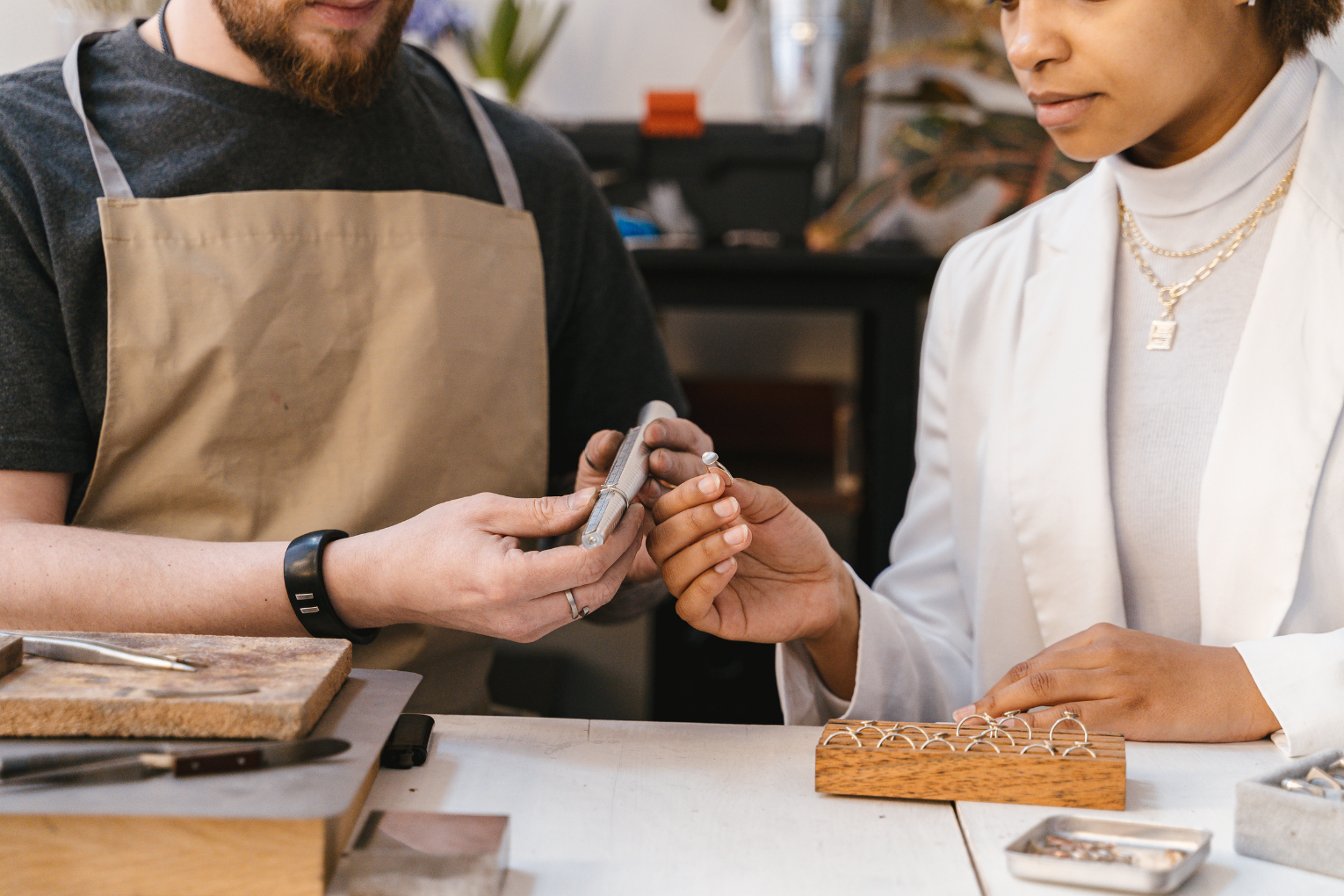
Let's be real—we've all been there. You buy a cute gold ring for $20, it looks blindingly bright in the store, and two weeks later your finger has a nice green ring around it. It's frustrating. It feels cheap. And frankly, it's a waste of money. But here's what most jewelry shops won't tell you: why jewelry turns skin green isn't bad luck—it's bad chemistry.
Jewelry turns skin green when base metals like copper or zinc oxidize and react with your skin's natural oils and sweat—a process called electrochemical corrosion that cheap alloys can't resist.
Quick Summary
- Oxidation Reaction: Copper and zinc alloys react with air and moisture, causing green discoloration.
- Electrochemical Corrosion: Different metals create electrical currents in sweat, accelerating degradation.
- Plating Thickness: Thick enough plating (0.5+ microns) creates a barrier against oxidation.
- Anti-Tarnish E-Coating: Invisible protective layers lock in shine and prevent green fingers.
- Metal Allergenicity: Nickel in cheap alloys causes itching and irritation—not just discoloration.
In This Guide
- Why Does Jewelry Turn Skin Green? The Science Explained
- The Three Metal Types: What's Really Underneath
- Plating Thickness Science: Why More Isn't Always Better
- How to Prevent Green Finger: Jewelry Care Tips
- Frequently Asked Questions
Why Does Jewelry Turn Skin Green? The Science Explained
The green mark on your finger isn't magic—it's Oxidation Reaction in action. When base metals like copper or zinc are exposed to air, moisture, and the natural acids in your sweat, they undergo a chemical transformation. Copper, for example, turns green when it oxidizes—that's the same process that gives the Statue of Liberty its iconic color.
But there's more happening beneath the surface. Electrochemical Corrosion occurs when different metals are in contact with an electrolyte (your sweat). This creates tiny electrical currents that accelerate metal breakdown. If you're wearing a cheap alloy ring with nickel content, you're essentially creating a mini battery on your finger—and the result is both discoloration and potential irritation.
Metal Allergenicity compounds the problem. Nickel, commonly found in inexpensive jewelry, doesn't just cause green marks—it triggers allergic reactions in up to 17% of women. That itching isn't coincidence; it's your immune system reacting to a metal it recognizes as harmful.
The Three Metal Types: What's Really Underneath
Jewelry is like a house. If the foundation is weak, the paint doesn't matter. Here's what's actually hiding under that shiny exterior:
The "Time Bomb" (Zinc/Copper Alloy)
This is what you find in most trendy mall stores. It's cheap to make and easy to mold. The problem? It starts to oxidize within 2-3 weeks of touching sweat. Plus, it often contains nickel—which is why your ears itch. At ÉLARAMUSE, we strictly ban this material.
The "Gym Bro" (Stainless Steel/Titanium)
You'll see this marketed as "Waterproof." It's durable, sure. But steel is rigid. It has no soul. You cannot create fine, sculptural details with it. If we tried to make our Rose Stem Hinged Bangle out of steel, it would look clunky and industrial, losing all that delicate, organic beauty.
The "Heirloom Standard" (Ag925 Sterling Silver)
This is the only base we use. It's precious, it's 100% hypoallergenic, and it holds value. It's the canvas for true Demi-Fine jewelry.
Plating Thickness Science: Why More Isn't Always Better
Here's where brands usually get quiet—or worse, lie to you. Many people think "thicker is always better," but jewelry chemistry is more nuanced than that. Different metals have different "personalities," and treating them all the same is a recipe for disaster.
The "Icy" Look (Rhodium on Silver)
To get that brilliant, mirror-like white gold finish, we use Rhodium—a rare metal from the Platinum family. But here's the science: Rhodium is incredibly hard. If you plate it too thick, the internal stress becomes too high, causing it to crack and peel off like an eggshell.
Our solution: We use a scientifically optimized 0.03-micron layer—the distinctive limit before brittleness sets in. To ensure it lasts, we seal it with a high-tech, invisible Anti-Tarnish E-Coating that locks in the shine without the risk of cracking.
The "Gold" Look (18K Gold on Silver)
For our gold pieces, we ignore the cheap "Flash Plating" (often less than 0.1 microns) used by fast fashion brands. We use a substantial 0.5-micron layer of real 18K Gold. This provides the rich, warm luster of solid gold.
Plating Thickness matters because it's your barrier against oxidation. That 0.5-micron layer isn't just decoration—it's protection. And just like our silver pieces, we apply a specialized protective layer over the gold for double-defense.
How to Prevent Green Finger: Jewelry Care Tips
Even high-quality jewelry benefits from proper care. Here's how to extend the life of your pieces:
- Remove before swimming: Chlorine and salt water accelerate metal oxidation.
- Avoid harsh chemicals: Perfumes, lotions, and cleaning products can damage plating.
- Store properly: Keep jewelry in airtight bags or anti-tarnish cloth when not wearing.
- Clean gently: Use mild soap and water, avoid abrasive cleaners that scratch plating.
- Rotate pieces: Giving jewelry "rest days" reduces constant exposure to skin oils.
Frequently Asked Questions
How do I know if jewelry will turn my skin green?
Check the base metal. Sterling silver (Ag925), solid gold (10K+), and platinum rarely cause discoloration. Avoid "mystery metal" alloys, zinc-copper combinations, and pieces that don't list their composition. If a brand won't tell you what's in their jewelry, that's a red flag.
Is gold vermeil hypoallergenic?
Yes—when it's done correctly. Gold vermeil (18K gold plated over sterling silver) is hypoallergenic because the base is pure silver, not nickel or copper alloys. The gold layer provides additional protection against skin reactions. At ÉLARAMUSE, all our vermeil pieces use Ag925 sterling silver as the base.
How long does gold plating last before wearing off?
It depends on thickness and wear. Flash plating (0.1 microns) may fade in weeks. Quality vermeil (0.5+ microns) with protective coating can last years with proper care. The key is plating thickness—0.5 microns is 5x thicker than flash plating, and anti-tarnish coating extends that lifespan significantly.
Can I wear gold-plated jewelry in the shower?
We recommend removing gold-plated jewelry before showering. While our pieces are water-resistant due to protective coatings, hot water, soap, and shampoo can gradually break down plating over time. Occasional exposure won't ruin quality pieces, but daily showers will accelerate wear.
Why does my ring leave a black mark instead of green?
Black marks typically indicate silver oxidation, not copper. Sterling silver can tarnish to a dark gray or black when exposed to sulfur compounds in air, rubber, or certain foods. This is less about skin reaction and more about environmental oxidation—polishing restores the shine.
Is jewelry that turns skin green dangerous?
Not necessarily dangerous, but not ideal. Green discoloration from copper isn't toxic—it's cosmetic. However, if you experience itching, redness, or swelling, you may have a nickel allergy, which affects 10-20% of the population. Switch to hypoallergenic metals like sterling silver or solid gold to avoid reactions.
What's the difference between tarnish and plating wearing off?
Tarnish is surface oxidation—you can often polish it away. Plating wearing off means the gold or rhodium layer has physically worn through, exposing the base metal underneath. Once plating wears off, the piece needs re-plating to restore its original appearance. Quality plating with protective coating delays this significantly.
Sources
- NIH (National Institutes of Health) - Metal allergies and skin reactions
- GIA (Gemological Institute of America) - Jewelry metal standards and plating science
At ÉLARAMUSE, we engineer jewelry that lasts—not disposable fashion that fades. Every piece we create uses Ag925 sterling silver as its foundation, with scientifically optimized plating thickness and protective coatings. Because you work hard for your money, and you deserve jewelry that doesn't turn your skin green before your credit card bill arrives.


